Student-led nonprofit · Virginia · NASA public datasets · Exoplanet research
Discover Worlds. Analyze Data.Inspire Future Scientists.
OpenExoForAll empowers students to explore astronomy, astrophysics, and aerospace engineering through authentic scientific research, NASA data, and hands-on computational projects.
OUR PURPOSE
Why OpenExo Exists
We are entering a remarkable new era of space exploration. Modern discoveries are powered by physics, engineering, computational thinking, and the ability to analyze enormous amounts of scientific data.
OpenExoForAll was founded to help students experience science through exploration rather than memorization. By working with authentic NASA datasets, investigating exoplanets, and building computational thinking skills, students gain firsthand insight into how modern astronomy and engineering are practiced today.
We believe every student deserves the opportunity to experience the excitement of real scientific discovery.
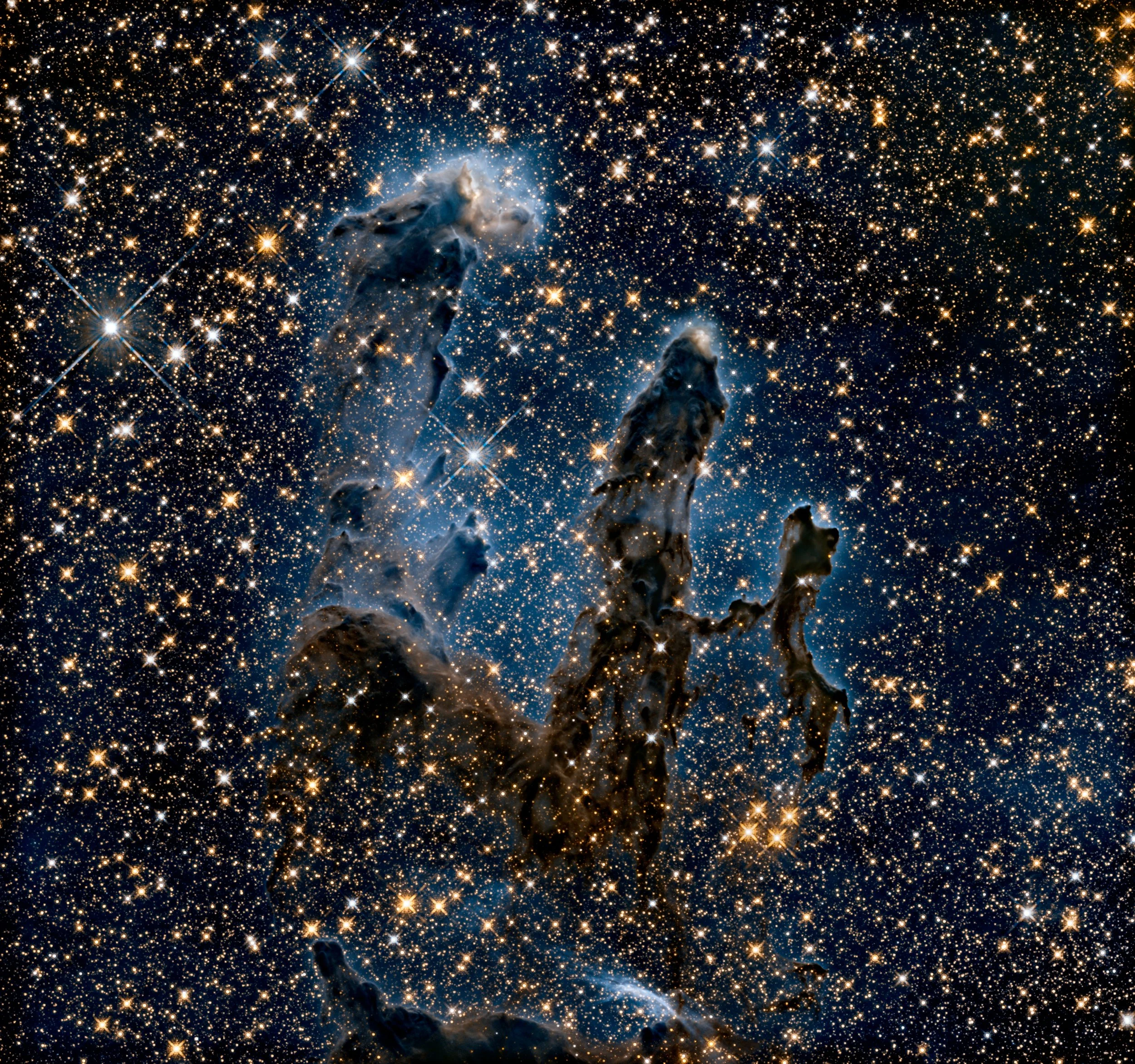
Learning Through Discovery
Research in Action
Students investigate authentic NASA observations, analyze exoplanet light curves, and develop computational thinking by exploring how astronomers search for planets beyond our solar system.
Powered by NASA Public Data
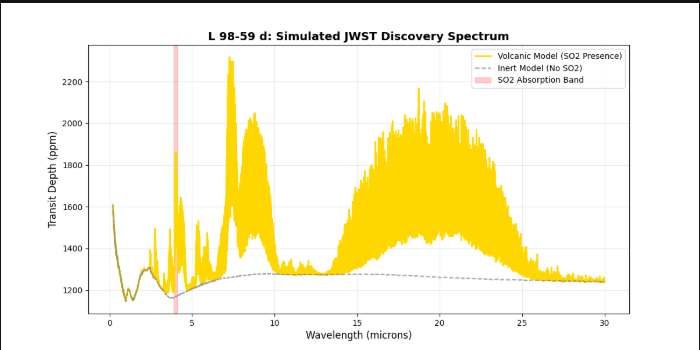
Explore NASA Data
Students investigate real observations from NASA missions such as Kepler and TESS to understand how astronomers search for planets orbiting distant stars.
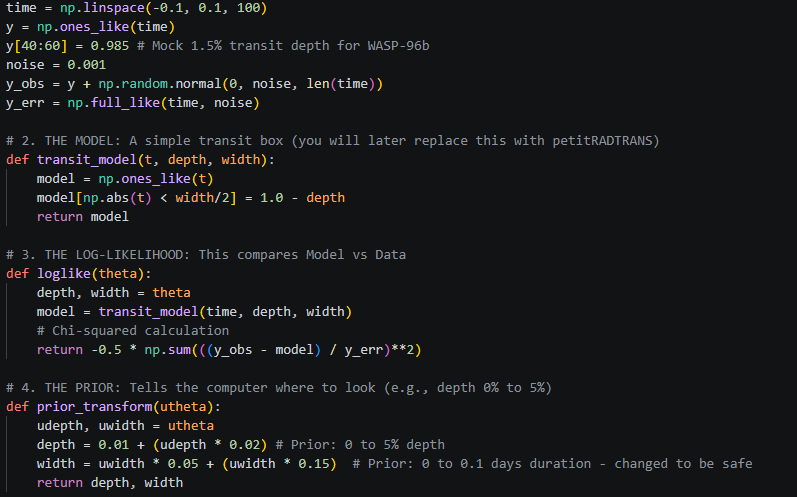
Analyze with Python
Using Python and data analysis techniques, students identify patterns, investigate planetary transits, and explore how computational tools support modern astrophysics.
How Students Investigate Exoplanets
- Collect NASA Data
- Clean & Prepare Data
- Analyze Light Curves
- Detect Transit Signals
- Investigate Planet Candidates
HOW STUDENTS PARTICIPATE
Learning Pathways
OpenExoForAll offers age-appropriate learning experiences that guide students from curiosity about space to hands-on exploration with real scientific data.
Junior Astronomers
Grades 3–5
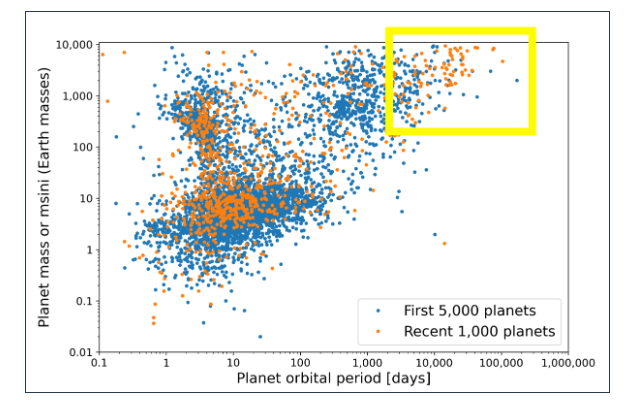
Students explore the night sky, learn what exoplanets are, and discover how scientists search for new worlds through fun, age-appropriate activities.
Data Explorers
Grades 6–8
Students work with real NASA observations, investigate light curves, and begin learning the computational thinking behind modern astronomy.
Space Researchers
Grades 9+
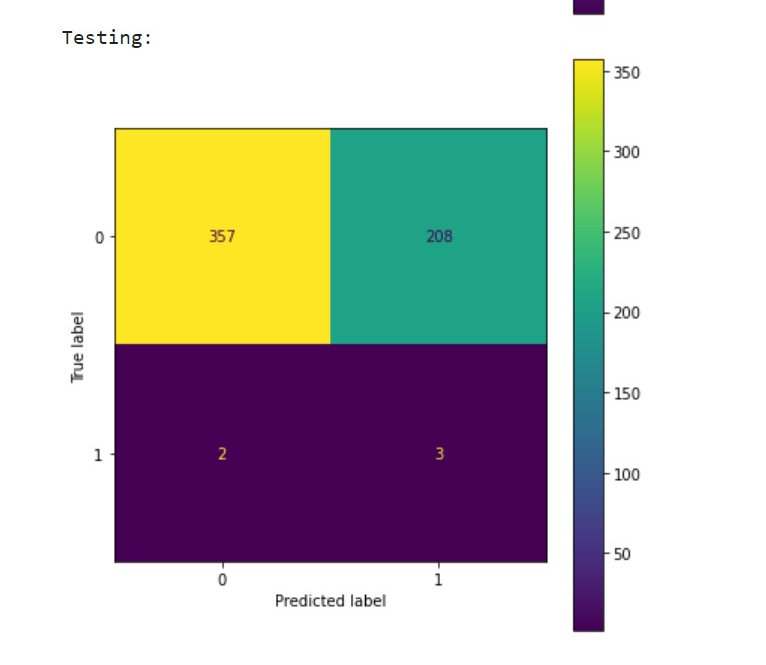
Students analyze authentic datasets with Machine Learning Models, write introductory Python code, and explore the methods astronomers use to investigate planets beyond our solar system.

Curiosity is where every scientific discovery begins.
Journey Highlights
- 2024 Explored NASA exoplanet datasets and began studying planetary detection.
- 2025 Built Python tools to analyze light-curve data.
- 2026 Founded OpenExoForAll to introduce students to authentic astrophysics.
- The Future Inspiring the next generation of scientists and explorers.
MY JOURNEY
My Journey into Astrophysics
Every discovery begins with a question. Mine began with a simple curiosity about worlds beyond our own.
My fascination with space began with a question that has inspired scientists for generations: How do astronomers discover planets that are too far away to see?
Searching for the answer led me beyond textbooks and into the world of real scientific research. I began exploring NASA's public datasets, learning Python, and studying how scientists analyze tiny changes in starlight to identify planets orbiting distant stars.
As I continued learning, I realized something important. NASA has made an incredible amount of scientific data publicly available, but it can be difficult for younger students to know where to begin or how to turn that data into meaningful discoveries. I wanted to help bridge that gap by making astrophysics more approachable, engaging, and accessible to younger students.
That vision became OpenExoForAll—a student-led nonprofit dedicated to helping young learners explore astrophysics through authentic NASA data, computational thinking, and guided scientific discovery.
I believe curiosity is the starting point of every scientific discovery. If even one student leaves an OpenExoForAll workshop inspired to ask a new question, investigate a new idea, or pursue a deeper interest in astrophysics, then this journey will have been worthwhile.
COMMUNITY & OUTREACH
Learning Beyond the Classroom
Every student deserves the opportunity to experience how real scientific discovery happens. OpenExoForAll creates learning experiences that encourage curiosity, exploration, and a deeper understanding of how scientists investigate our universe.
Building Community Partnerships
OpenExoForAll is building partnerships with schools, libraries, STEM clubs, and community organizations to introduce young students to astrophysics through engaging presentations, interactive activities, and guided scientific exploration.

Interactive Online Learning
Free online sessions introduce students to astrophysics through engaging discussions, guided investigations, and authentic NASA datasets. Students learn how scientific discoveries are made while building curiosity and confidence.
Hands-on Scientific Exploration
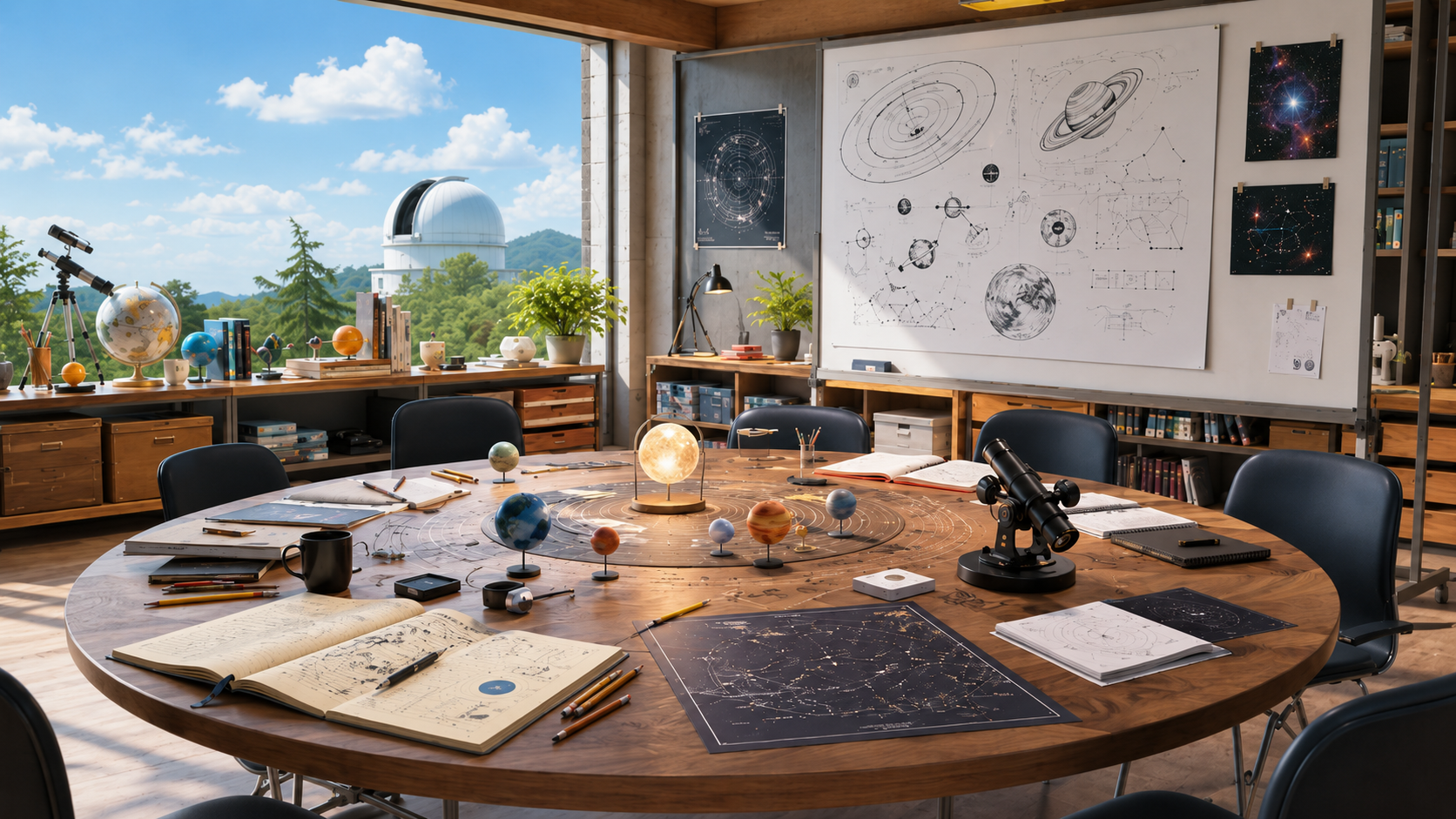
Students learn by asking questions, analyzing authentic data, and exploring how scientists investigate planets beyond our solar system. Through guided activities and computational thinking, they experience the excitement of real scientific discovery in an engaging and supportive environment.