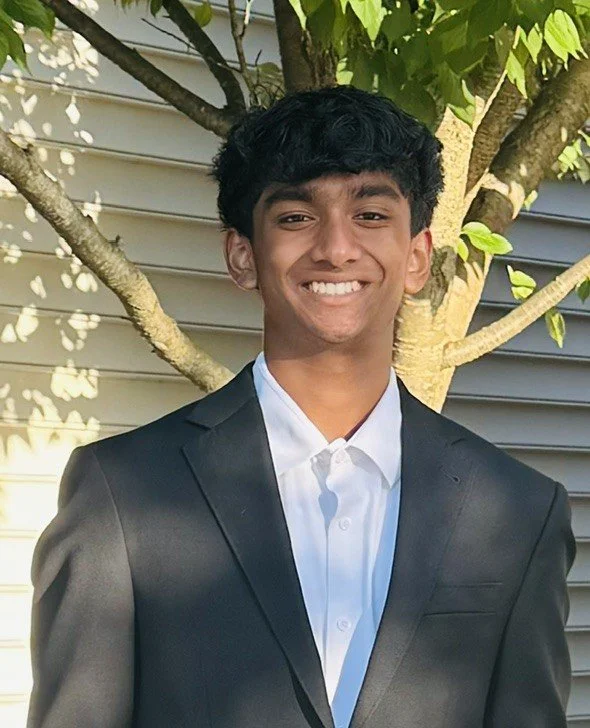
Curiosity is where every scientific discovery begins.
Journey Highlights
- 2024 Explored NASA exoplanet datasets and began studying planetary detection.
- 2025 Built Python tools to analyze light-curve data.
- 2026 Founded OpenExoForAll to introduce students to authentic astrophysics.
- The Future Inspiring the next generation of scientists and explorers.
MY JOURNEY
My Journey into Astrophysics
Every discovery begins with a question. Mine began with a simple curiosity about worlds beyond our own.
My fascination with space began with a question that has inspired scientists for generations: How do astronomers discover planets that are too far away to see?
Searching for the answer led me beyond textbooks and into the world of real scientific research. I began exploring NASA's public datasets, learning Python, and studying how scientists analyze tiny changes in starlight to identify planets orbiting distant stars.
As I continued learning, I realized something important. NASA has made an incredible amount of scientific data publicly available, but it can be difficult for younger students to know where to begin or how to turn that data into meaningful discoveries. I wanted to help bridge that gap by making astrophysics more approachable, engaging, and accessible to younger students.
That vision became OpenExoForAll—a student-led nonprofit dedicated to helping young learners explore astrophysics through authentic NASA data, computational thinking, and guided scientific discovery.
I believe curiosity is the starting point of every scientific discovery. If even one student leaves an OpenExoForAll workshop inspired to ask a new question, investigate a new idea, or pursue a deeper interest in astrophysics, then this journey will have been worthwhile.